Blog
Read the latest insights from Aurora
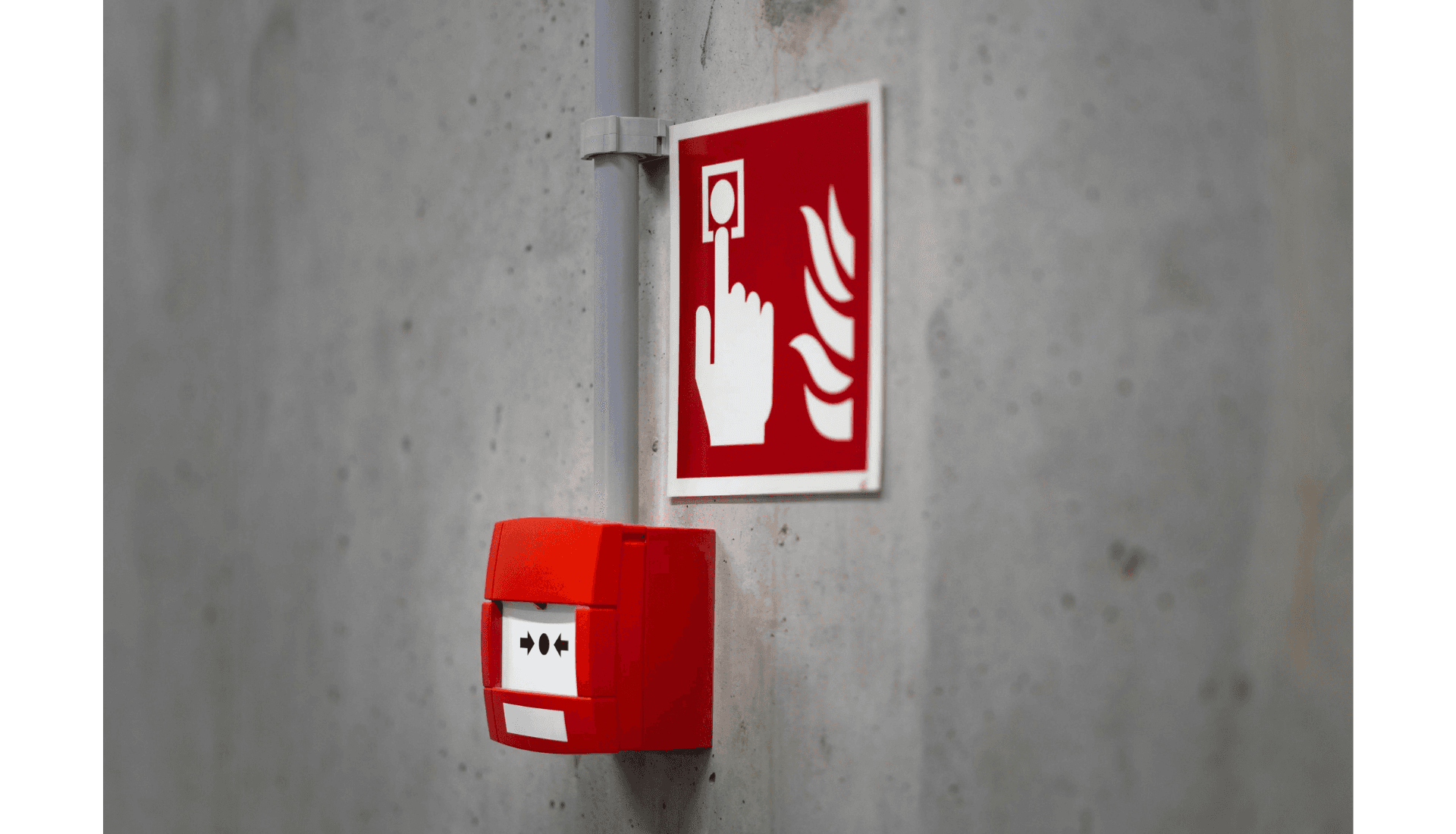
Compartmentation plays a critical role in protecting buildings and saving lives during a fire, yet many compartmentation failures remain hidden for long periods of time.
Unlike visible fire safety systems such as extinguishers or alarms, compartmentation exists within the fabric of a building. Defects are often concealed above ceilings, behind walls, within service risers, or inside plant areas that are rarely inspected closely during day-to-day operations.
As a result, serious passive fire protection issues can develop unnoticed, creating significant compliance and life safety risks.
At Aurora, we help organisations improve visibility across fire safety compliance by bringing compartmentation inspections, fire door surveys, fire risk assessments, remedial works, and compliance tracking together in one digital platform.
Why Compartmentation Defects Are Difficult to Detect
Compartmentation is designed to slow the spread of fire and smoke through a building by dividing spaces into protected sections. When compartment lines are compromised, fire and smoke can spread far more rapidly than intended.
The challenge is that many defects are not immediately obvious.
Fire stopping failures are often hidden behind completed building finishes or above suspended ceilings. In many cases, issues are only identified during intrusive inspections, refurbishment works, or specialist compartmentation surveys.
Even in well-maintained buildings, defects can emerge gradually over time through ongoing maintenance activity, contractor works, or changes to building services.
Common Causes of Compartmentation Failures
Compartmentation defects can occur for a wide range of reasons, particularly in complex or heavily occupied buildings.
One of the most common causes is poorly managed service penetrations. Electrical, plumbing, HVAC, and data installations can all breach compartment walls and floors. If penetrations are not correctly fire stopped after works are completed, the integrity of the compartment may be compromised.
Wear and tear also contributes to deterioration over time. Building movement, ageing materials, accidental damage, and poor-quality repairs can all weaken passive fire protection systems.
In some cases, organisations may simply lack accurate records of previous installations or remedial works, making it difficult to understand the true condition of compartmentation throughout the building.
The Risks of Hidden Compartmentation Defects
When compartmentation failures go unnoticed, the consequences can be severe.
Compromised compartment lines can allow smoke and fire to spread rapidly through escape routes, risers, ceiling voids, and adjacent compartments. This increases risk to occupants, emergency responders, and property.
Hidden defects can also create significant compliance challenges. Responsible persons and duty holders are expected to demonstrate effective fire safety management, including evidence of inspections, remedial works, and ongoing monitoring of passive fire protection systems.
Without clear visibility into compartmentation performance, organisations may struggle to identify risks before they escalate into larger compliance or safety issues.
Why Traditional Processes Often Create Blind Spots
Many organisations still rely on spreadsheets, static reports, PDFs, and disconnected contractor records to manage compartmentation.
While these methods may appear manageable initially, they often create gaps in visibility over time.
Inspection findings may become difficult to track, remedial actions can be delayed, and historical records are frequently stored across multiple systems or folders. As buildings evolve, maintaining an accurate understanding of compartmentation status becomes increasingly difficult.
This lack of centralised oversight can make it harder to identify recurring issues, monitor remediation progress, or prioritise high-risk areas effectively.
How Better Visibility Helps Prevent Escalating Risks
Improving compartmentation management starts with improving visibility.
Digital fire safety compliance software enables organisations to centralise inspection data, remedial actions, photographic evidence, and compliance records within one accessible platform.
Instead of relying on static reports, teams can monitor compartmentation issues in real time, track remediation progress, and maintain a clear audit trail for every identified defect.
This makes it easier to identify trends, prioritise higher-risk issues, and ensure compartmentation defects are not overlooked or forgotten.
Centralised Compartmentation Management with Aurora
Aurora helps organisations simplify compartmentation management by bringing fire safety compliance processes together in one place.
Teams can manage compartmentation inspections, fire door surveys, fire risk assessments, installations, remedial works, and compliance reporting through a single connected platform.
This provides greater visibility across buildings and creates a more structured approach to passive fire protection management.
Real-Time Tracking and Improved Accountability
With Aurora, inspection findings and remedial actions can be assigned, tracked, and monitored in real time.
This helps reduce delays, improve accountability between teams and contractors, and ensure defects are progressed through to completion.
Photographic evidence, inspection histories, and completion records are stored centrally, helping organisations maintain accurate compliance documentation and stronger audit readiness.
Preventing Hidden Risks Before They Escalate
Compartmentation failures are often difficult to detect, but that doesn’t make them any less critical.
Without effective visibility and tracking, hidden defects can remain unresolved for long periods of time, increasing both compliance risk and potential fire spread.
Aurora helps organisations uncover, manage, and track compartmentation issues more effectively by connecting inspections, remedial works, and compliance data within one digital fire safety platform.
The result is greater visibility, faster action, and more confident fire safety compliance management across your buildings.
Book a Free Demo
Want to improve visibility across your compartmentation inspections and remedial works?
Looking for a more effective way to manage compartmentation compliance and track passive fire protection issues across your buildings?
Speak to the Aurora team to discover how our fire safety compliance software can help you improve visibility, streamline inspections and remedial workflows, and maintain a clear digital audit trail across fire doors, compartmentation, and fire risk assessments. You can also book a free demo to explore the platform in action.