Blog
Read the latest insights from Aurora
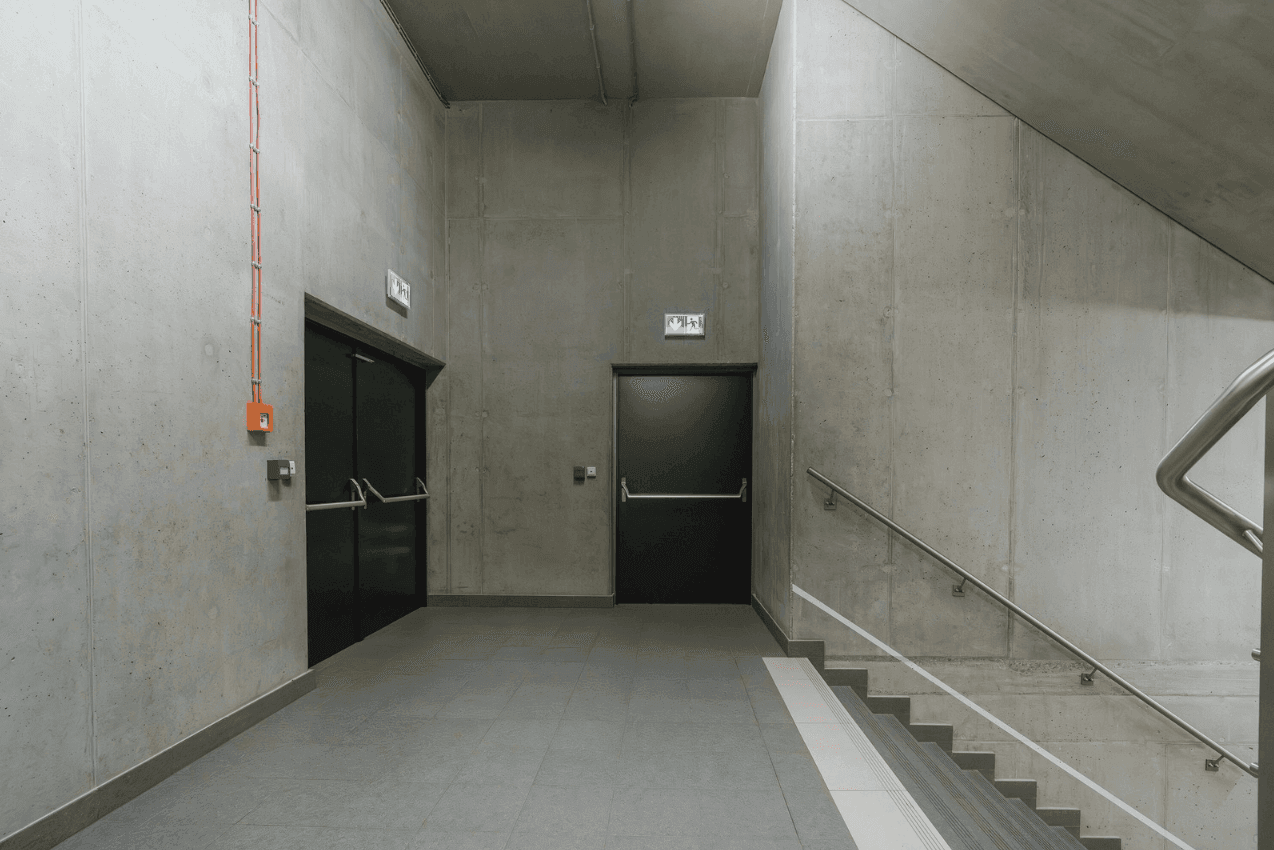
Compartmentation is one of the most critical, and often one of the most misunderstood, elements of fire safety compliance.
Designed to slow the spread of fire and smoke throughout a building, effective compartmentation protects escape routes, limits damage, and ultimately saves lives. But despite its importance, managing compartmentation across a building or portfolio is rarely straightforward.
From hidden breaches and inconsistent records to complex remedial programmes and ongoing maintenance works, compartmentation presents a unique challenge for building owners, housing providers, contractors, and compliance teams alike.
The good news is that with the right systems and visibility in place, compartmentation management can become far more manageable.
Why Compartmentation Is So Difficult to Manage
Unlike many other areas of fire safety, compartmentation is largely hidden behind walls, ceilings, risers, and service voids. Problems are often invisible until inspections are carried out, and by the time issues are discovered, they can be widespread.
Even relatively minor works completed over time, such as cable installations, plumbing upgrades, or maintenance access, can compromise fire-stopping and create breaches that go unnoticed for years.
The challenge is made even greater in occupied buildings where multiple contractors, historical works, and changing building layouts all contribute to a constantly evolving compliance picture.
For many organisations, compartmentation management also relies heavily on fragmented processes. Inspection reports may be stored separately from photographic evidence. Remedial actions may be tracked on spreadsheets or emails. Installation records and sign-offs may sit with different contractors or departments entirely.
As buildings and portfolios grow, maintaining a clear and accurate understanding of compartmentation status becomes increasingly difficult.
The Risk of Fragmented Information
One of the biggest risks in compartmentation management is disconnected data.
An inspection may identify breaches in one area, while remedial works are recorded elsewhere and completion evidence stored separately again. Over time, this creates gaps in accountability and makes it difficult to verify whether issues have actually been resolved correctly.
Without a centralised system, organisations often struggle to answer fundamental questions:
Which compartmentation issues remain outstanding?
Which buildings carry the highest level of risk?
Have remedial works been completed and verified?
Is evidence easily accessible for audits or regulatory reviews?
When information is spread across multiple systems and contractors, gaining confidence in compliance becomes challenging.
Why Visibility Is Essential
Compartmentation is not a one-time compliance exercise. Buildings change constantly, and every maintenance activity, refurbishment project, or service installation has the potential to affect fire-stopping integrity.
That means compartmentation requires ongoing oversight, accurate record-keeping, and clear visibility across the full lifecycle of the building.
Digital tools are transforming how organisations approach this challenge. Instead of relying on disconnected reports and manual tracking processes, modern compliance platforms allow compartmentation inspections, remedial works, photographic evidence, and compliance records to be managed in one place.
This creates a clear audit trail from identification through to resolution and verification.
More importantly, it gives compliance teams live visibility into risk status across entire portfolios, helping them prioritise actions, monitor progress, and demonstrate accountability with far greater confidence.
Simplifying Compartmentation Management with Aurora
At Aurora, we understand how complex compartmentation management can become, especially across large or multi-site portfolios.
That’s why our fire safety compliance platform is designed to simplify the entire process.
Aurora enables clients to manage compartmentation inspections, remedial works, installations, and compliance documentation within one connected system. Inspection findings can be tracked through to completion, with photographic evidence, reporting, and progress updates all stored centrally.
By bringing everything together in one place, organisations gain greater visibility, stronger accountability, and a much clearer understanding of their overall fire safety position.
The result is less administrative burden, fewer gaps in communication, and more confidence that compartmentation risks are being properly managed.
Moving from Reactive to Proactive Compliance
Too often, compartmentation issues are only addressed after problems are identified during audits, inspections, or investigations. But with the right digital systems in place, organisations can take a far more proactive approach.
Connected compliance management makes it easier to identify recurring issues, prioritise high-risk areas, and ensure remedial actions are completed efficiently. It also provides the evidence and traceability needed to support regulatory compliance and demonstrate due diligence.
As fire safety expectations continue to evolve, organisations need more than static reports and spreadsheets. They need live, connected visibility into the condition and status of their buildings.
Speak to Aurora
If you’re looking to simplify compartmentation management, improve visibility across your buildings, and streamline fire safety compliance, the team at Aurora can help.
Contact us today to learn more about our fire safety compliance platform or book a free demo to see how connected digital tools can make compartmentation management simpler, clearer, and more effective.