Blog
Read the latest insights from Aurora
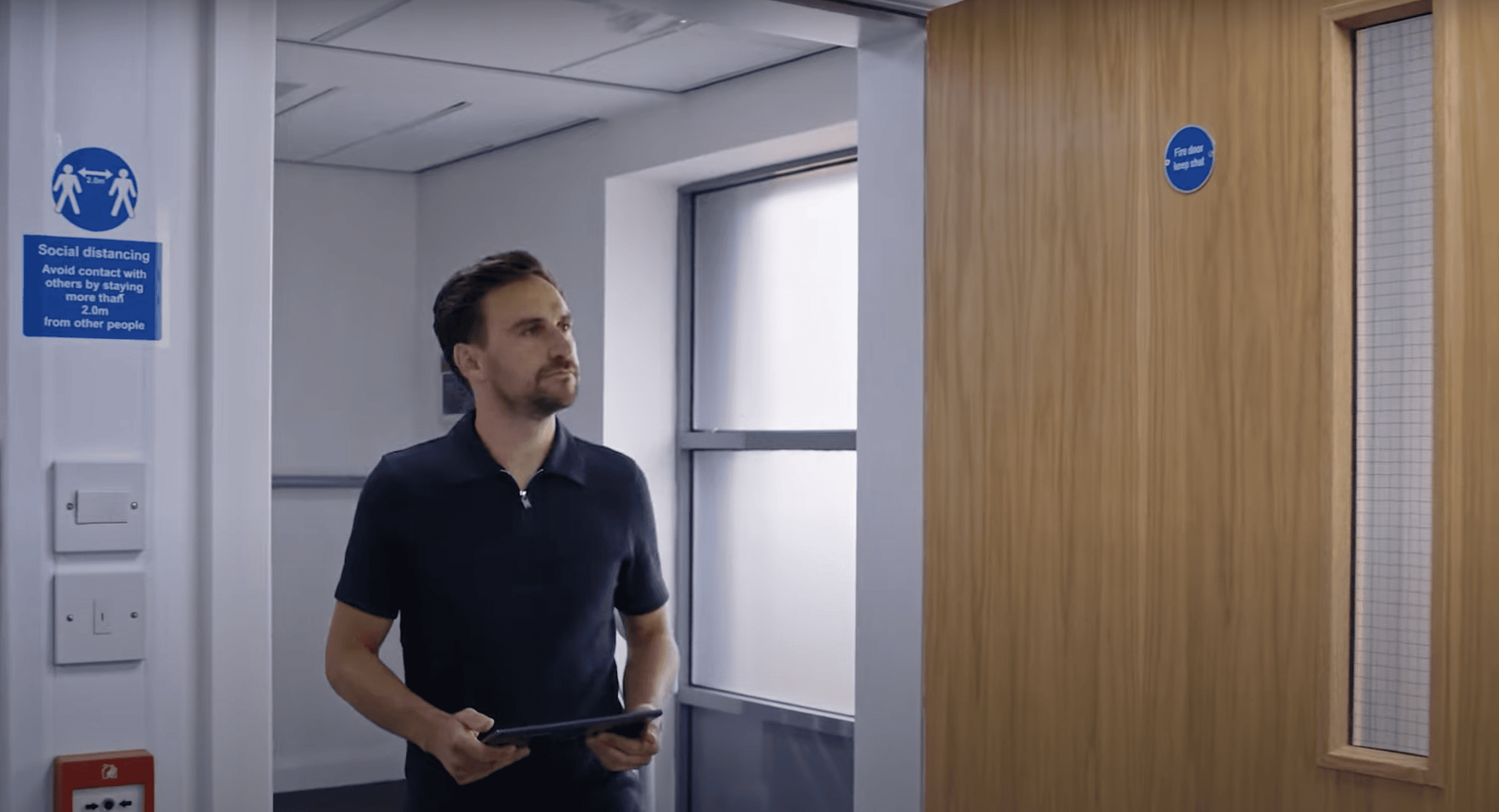
When it comes to fire safety in buildings, two terms often get used interchangeably: fire compartmentation and fire stopping. While they are closely related, they’re not the same, and understanding the difference is crucial for anyone responsible for building safety, maintenance, or compliance.
What Is Fire Compartmentation?
Fire compartmentation is the practice of dividing a building into separate sections or compartments to prevent the rapid spread of fire and smoke. Think of it as creating “fireproof rooms” or barriers within a building.
The purpose of compartmentation is to:
Protect occupants by slowing the spread of fire.
Give people time to evacuate safely.
Reduce property damage by containing the fire to a limited area.
Help firefighters control and extinguish the fire more efficiently.
Typical elements of fire compartmentation include fire-rated walls, floors, ceilings, doors, and sometimes even windows. These are designed to withstand fire for a specific period, often measured in minutes or hours (e.g., FD30 doors resist fire for 30 minutes).
What Is Fire Stopping?
Fire stopping, on the other hand, is a more specific part of compartmentation. It involves sealing gaps, joints, and openings in walls, floors, and ceilings to prevent fire and smoke from spreading from one compartment to another.
Common fire-stopping measures include:
Fire-resistant sealants and mortars.
Fire collars around pipes.
Intumescent strips or pads around doors.
Fire-rated boards and insulation for service penetrations.
In short, if compartmentation is the overall “strategy” for containing fire, fire stopping is one of the “tactics” used to make that strategy effective.
How They Work Together
While different, fire compartmentation and fire stopping are inseparable in practice. A building may have perfectly fire-rated walls and doors, but if the gaps around pipes, ducts, or cables aren’t properly fire-stopped, fire and smoke can easily bypass the compartmentation.
Conversely, fire stopping is only effective when installed as part of a properly designed compartmentation plan. Think of it as the difference between having a sturdy door (compartmentation) and ensuring the door frame is properly sealed (fire stopping). Both need to work together to maintain the integrity of the building’s fire safety strategy.
Why Proper Management Is Important
Poorly executed compartmentation or fire stopping can have serious consequences:
Non-compliance with building regulations and fire safety standards.
Increased risk to occupants in the event of a fire.
Higher potential for property damage and insurance implications.
Difficulty during fire safety inspections and audits.
This is why regular inspections, maintenance, and documentation are essential. You need to know that every wall, door, and penetration is doing its job - and that’s where technology can help.
The Future of Fire Stopping and Compartmentation Management
Managing fire compartmentation and fire stopping across a building or portfolio can be complex, particularly in larger commercial properties. That’s why we’re excited about the upcoming launch of Aurora’s fire stopping and compartmentation app in early 2026.
Aurora will make it easier than ever to:
Track and document fire-stopping measures across a property.
Monitor the condition of fire compartments, doors, and seals.
Ensure compliance with building regulations and safety standards.
Reduce the risk of fire-related incidents through proactive management.
Whether you’re a facilities manager, building owner, or fire safety professional, Aurora will simplify the process and give you peace of mind that your fire safety measures are working as intended.